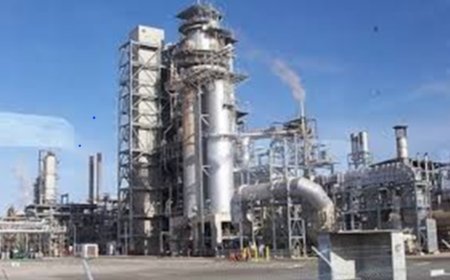



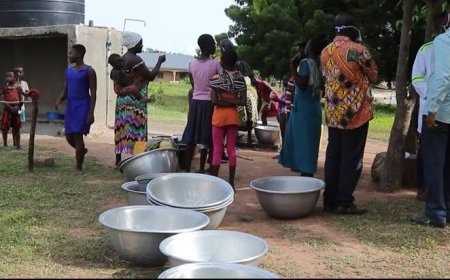



The water supply situation is not satisfactory. But that is so because of water production challenges.

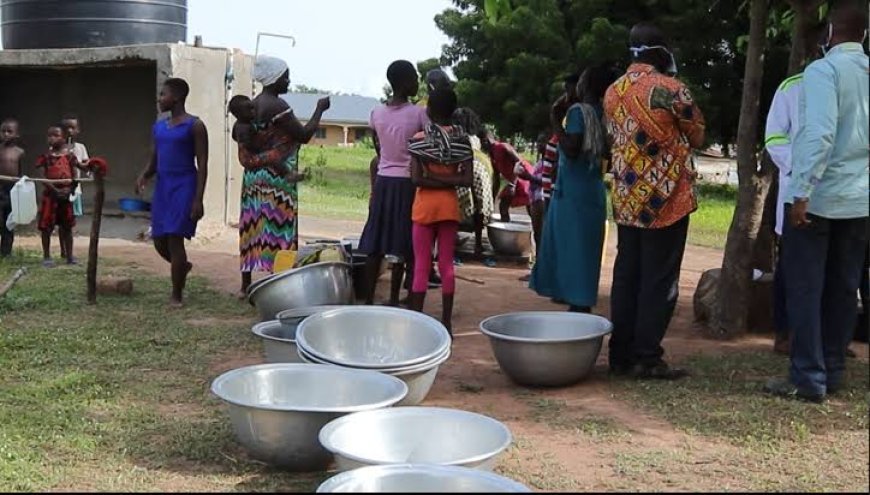
Again, when quality of water production is compromised such as we have in the galamsey effect, we may understand why the Ghana Water Limited (GWL) has appealed to customers to pay their water bills promptly.
In a public statement, they warn that poor revenue mobilisation and the increasing rate of illegal connections are affecting efforts to improve water supply across the country.
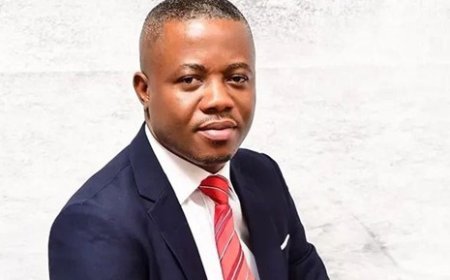
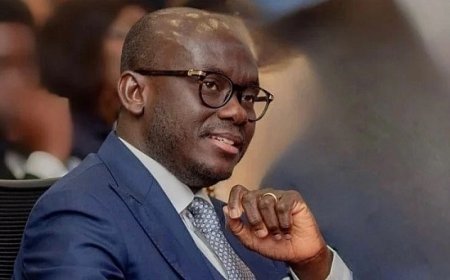
Communications Manager of GWL, Stanley Martey, said the company’s ability to repair ageing infrastructure and invest in water distribution systems has been significantly affected because many consumers either fail to pay their bills or access water through illegal connections.
Speaking on Adom FM’s Dwaso Nsem, Mr. Martey explained that Ghana Water operates a postpaid billing system, where customers are billed after consuming water.
“The revenue is not coming. A lot of people are not paying their bills, so Ghana Water is in a difficult place. The bill is postpaid, so you pay the bill after consuming the water,” he said.
The Inquirer can understand the situation when the GWCL insists that despite the financial difficulties, the company continues to channel the revenue it receives into maintaining and upgrading its infrastructure.
Such commitments include having to use scarce foreign exchange resources to procure materials from outside the country to support major pipeline repair works aimed at improving water delivery.
That eats into our reserves needed to fix and expand other areas.
According to him therefore, GWCL has procured a lot of materials from outside to work on our pipelines. “We always invest whatever we receive back into the system,” he said.
Responding to concerns about the management of the company’s resources, Mr Martey insisted that Ghana Water does not spend money on luxury, adding that the company’s vehicles and equipment require upgrades.
The Inquirer agrees that customers paying their bills to enable the company to reinvest in infrastructure and provide a more reliable water supply so that GWCL can reinvest the money for maintenance and expansion services.
We also agree that illegal water connections disable GWCL from being fair and responsive to the water supply needs of those who pay their bills promptly and regularly.
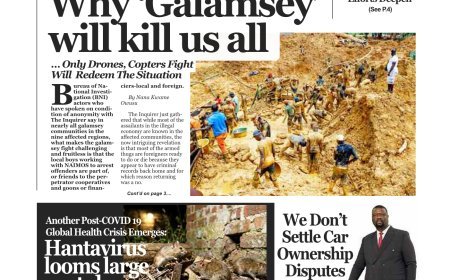
Galamsey activities
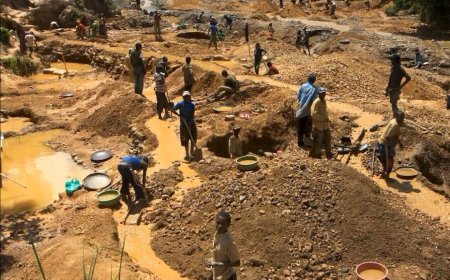
Like GWCL, we agree further that the challenging water situation particularly hitting Greater Accra, Centra, Ashanti and Western and Eastern Regions is the biggest challenge and cancer which we collectively have to fight to overcome water supply and other challenges in which water production plays key role in national strategic planning, production and agenda and goal attainment as an emerging economy.
He reiterated, as we have kept indicating that galamsey activities result in rising water treatment costs, explaining that pollution of water bodies has significantly increased the amount of chemicals needed to make raw water safe for consumption.
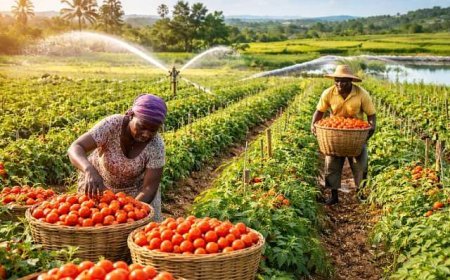
So, if we can stop galamsey, there will be no tariff increment, and we will even be paying less. More importantly, in the opinion of The Inquirer, an arrest of the despicable exercise and illegal economy will culminate in growth and expansion of several sectors, including food production, mining itself, timber, food security, but also rubber production as a strategic sector.
It is in that regard that we join their appeal to public to support Ghana Water by paying their bills, reporting illegal connections, and protecting the country’s water bodies, saying these measures are essential to ensuring a sustainable and reliable water supply for all.
What's Your Reaction?
 Like
0
Like
0
 Dislike
0
Dislike
0
 Love
0
Love
0
 Funny
0
Funny
0
 Angry
0
Angry
0
 Sad
0
Sad
0
 Wow
0
Wow
0